
Power Yoga Classes Near Me - Sadhak Yogpeeth, GMS Road Dehradun
What is Power Yoga?
Before you search for a class, it helps to understand exactly what you are signing up for – because power yoga is one of the most misunderstood styles of yoga, and a lot of people either expect too much or too little from it.
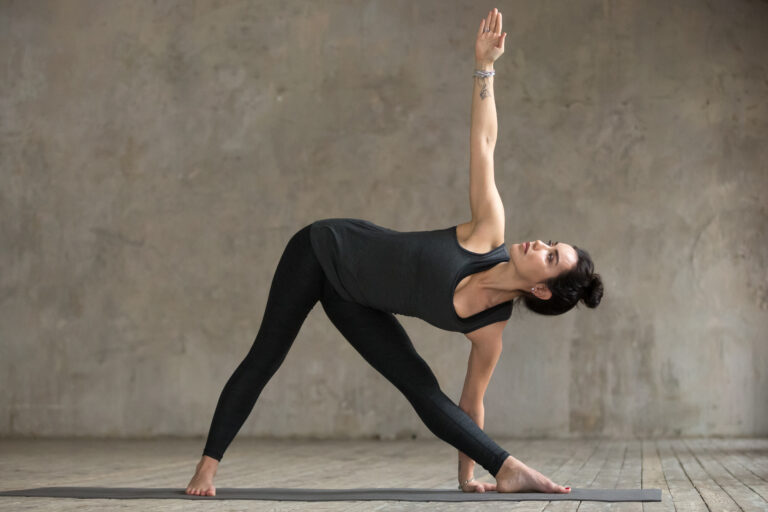
Power yoga is a dynamic, physically demanding style of yoga in which every movement is linked directly to the breath. Each inhale initiates a movement; each exhale deepens or transitions it. The result is a flowing, unbroken sequence of postures that challenges the body continuously from the opening Sun Salutation to the final Savasana.
The practice is rooted in the classical Vinyasa tradition, which itself traces back to the Ashtanga yoga system developed in Mysore in the early twentieth century. The word “Vinyasa” comes from the Sanskrit roots “Vi” – meaning in a special way – and “Nyasa” – meaning to place. Vinyasa therefore describes the intentional, mindful placement of each movement in synchronisation with the breath. The “Power” that is added to this tradition refers to deliberately amplified physical demand — stronger postures, longer holds, deeper transitions, and a cardiovascular intensity that most people do not associate with yoga at all.
What makes power yoga different from a gym workout, a fitness class, or even other yoga styles is the breath. The breath in power yoga is not background noise. It is the central mechanism of the entire practice. Students use Ujjayi pranayama – a gentle constriction of the throat that creates a soft oceanic sound – to regulate the nervous system, maintain focus, and sustain effort through physically demanding sequences. This is why a power yoga class can simultaneously leave you exhausted and calm in a way that running or weightlifting rarely does. The body has worked. The nervous system has also been actively restored.
At Sadhak Yogpeeth near GMS Road, Dehradun, every power yoga class is built on this complete understanding of the practice – not just the physical challenge, but the breath, the structure, and the integration
Power Yoga vs Other Yoga Styles — What is the Actual Difference?
Many people searching for power yoga classes near me have tried other yoga styles before and want to understand how this one is different. Here is an honest comparison-
Power Yoga vs Hatha Yoga
Hatha yoga is slower, more static, and focused on holding individual postures with breath awareness. Postures are typically held for several breaths before transitioning to the next. The pace is gentle, the atmosphere is restorative, and the physical demand is moderate.
Power yoga takes many of the same foundational postures and strings them into continuous, breath-linked sequences that build heat, elevate the heart rate, and develop both strength and flexibility simultaneously. If Hatha yoga is learning each note of a piece of music individually, power yoga is playing the whole composition at full tempo.
Beginners with no prior yoga or movement experience are generally better served starting with Hatha yoga before transitioning to power yoga. Students with some base level of fitness or prior yoga exposure can begin power yoga directly.
Power Yoga vs Ashtanga Yoga
Ashtanga yoga follows a fixed, unchanging sequence of postures practiced identically every session. The Primary Series, the Intermediate Series, and the Advanced Series are the same for every student in every studio worldwide.
Power yoga is adaptive and creative. Sequences change, evolve with the seasons, and respond to the energy and needs of the students in the room. No two classes at Sadhak Yogpeeth are identical – the peak posture changes, the preparatory sequences vary, and the teacher builds the session around what the students in the room need that day.
Power Yoga vs Gym Training
A gym workout isolates muscle groups and builds strength in compartments. Chest day, leg day, back day – the body is worked in sections.
Power yoga works the entire body as an integrated system. Strength, flexibility, balance, breath capacity, and mental focus develop simultaneously in every session. It also activates the parasympathetic nervous system – reducing cortisol – in a way that intense gym training, which tends to spike cortisol, does not. Many students practice both and find they complement each other well. Power yoga provides what the gym leaves behind: hip mobility, spinal health, breath awareness, and inner stillness.
What Happens in a Power Yoga Class at Sadhak Yogpeeth Near GMS Road?
One of the most common questions from people considering power yoga classes near me in Dehradun is simply: what will actually happen when I walk in? Here is the complete structure of every session at Sadhak Yogpeeth.
Centring – 5 Minutes
Every class begins in stillness. Students come to a comfortable seated position, close their eyes, and begin to establish a slow, conscious breath. This opening phase deliberately shifts the nervous system from the reactive state most people arrive in – post-commute, post-workday, mid-thought – to the receptive state that a genuine yoga practice requires. It is not a formality. It is the foundation everything else is built on.
Pranayama – 5 Minutes
Before a single posture begins, the breath is prepared. We practice Ujjayi pranayama – the oceanic breath described earlier – until it feels natural and steady. This breath becomes the rhythmic thread the entire class is strung on. Movement without this breath is exercise. Movement with this breath is yoga.
Sun Salutations – 10 Minutes
Sun Salutations – Surya Namaskar – are a complete twelve-posture sequence practiced in continuous rounds. They heat the body from the inside, awaken every major muscle group, and establish the fundamental rhythm of movement and breath that the rest of the class depends on. In a power yoga context, Sun Salutations are more deliberate and controlled than in gentler styles – transitions are held longer, the Chaturanga is managed with precision, and the Upward Dog is stretched with full intention.
Peak Pose Sequence – 25 Minutes
This is the heart of the class. Every power yoga session at Sadhak Yogpeeth is built around a peak posture – a single challenging pose that the entire preceding sequence has been systematically preparing the body to access. On different days the peak might be Warrior III, Crow Pose, Side Plank, Wheel Pose, or a deep hip-opening sequence. The journey toward the peak is as valuable as the peak itself – each preparatory posture builds the strength, flexibility, and focus needed to explore the peak safely.
Cool-Down — 10 Minutes
After the peak, the class slows deliberately. Deep hip openers, forward folds, seated twists, and restorative postures allow the body to release the heat and intensity built during the active phase. This is when many students experience their deepest physical openings – the body is warm, the muscles are fully responsive, and the mind is calm enough to genuinely surrender.
Savasana — 5 Minutes
Every class ends in Savasana – complete conscious rest. Nothing to do, nowhere to go. The body and nervous system integrate everything that has happened during the practice. Savasana is not optional and it is not a reward for finishing. It is the most important posture in the entire class, and we never skip it.
Benefits of Power Yoga — What Actually Changes With Consistent Practice
Physical Strength and Flexibility — Power yoga builds genuine functional strength — not isolated, compartmentalised strength, but the integrated full-body strength that makes daily movement feel effortless. Flexibility improves steadily over weeks and months without any forced stretching. Posture corrects naturally as the muscles that hold the spine upright are progressively strengthened.
Cardiovascular Health — A well-structured power yoga class elevates the heart rate into a moderate aerobic zone for extended periods, delivering cardiovascular benefits that most traditional yoga styles cannot match. This is particularly valuable for people who want the mental and spiritual benefits of yoga without giving up the physical fitness that supports long-term health.
Stress Reduction and Mental Clarity — The combination of vigorous physical movement, Ujjayi breath, and single-pointed concentration creates what neuroscientists call a flow state — the analytical, worrying mind quiets completely and full awareness rests in the present moment. Students searching for power yoga classes near me near GMS Road consistently describe this as one of the most effective tools they have found for managing the stress and mental overload of modern professional life in Dehradun.
Better Sleep — Regular physical exertion combined with deep parasympathetic activation in cool-down and Savasana significantly improves sleep quality. Many students report their sleep deepens noticeably within the first two to three weeks of consistent practice.
Emotional Resilience — Something profound happens when you consistently show up for a practice that is difficult — when you breathe through a challenging posture, when you fall out of a balance and return without self-judgment, when you discover that the discomfort was smaller than the strength you actually possess. This resilience builds quietly on the mat and transfers seamlessly into every other challenge life brings
Who is Power Yoga For?
Power yoga classes near me at Sadhak Yogpeeth near GMS Road, Dehradun are designed to serve a genuinely wide range of students.
Students with some basic yoga or movement experience who are ready to explore a more dynamic practice will find power yoga their natural next step. Working professionals who want a single, efficient session that delivers cardiovascular fitness, stress relief, strength, and mental clarity in sixty minutes will find power yoga meets all those needs simultaneously. Athletes using yoga as cross-training will discover that consistent Vinyasa practice is among the most effective tools for preventing injury, correcting muscular imbalances, and developing the body awareness that enhances performance in any sport.
One honest note: power yoga is not the ideal starting point for complete beginners with no prior movement experience. If you are entirely new to both yoga and physical activity, four to six weeks of Hatha Flow Yoga first will build the foundational strength and breath awareness that makes your first power yoga experience genuinely productive rather than overwhelming. Our instructors will guide you on exactly when the transition is right for your body.
👉 Start with Hatha Flow Yoga → /hatha-flow-yoga/
👉 Vinyasa Yoga Overview — Yoga Journal https://www.yogajournal.com/yoga-101/types-of-yoga/vinyasa/
Frequently Asked Questions
I have never done yoga before. Can I join directly? If you have a basic level of general fitness – regular walking, everyday activity – you can begin power yoga with modifications from day one. If you are completely new to both yoga and physical activity, we recommend starting with four to six weeks of Hatha Flow Yoga first. Our teachers will tell you plainly which starting point suits your body when you reach out.
I have a bad back. Is power yoga safe for me? Many of the most common causes of lower back pain – tight hip flexors, weak deep abdominals, poor thoracic mobility -are directly addressed by consistent power yoga practice. However, if your back has a specific diagnosed condition such as a herniated disc or spondylolisthesis, start with therapeutic yoga rather than power yoga. Always tell your teacher your complete back history before the first class. It changes every instruction they give you for the better.
How is power yoga near GMS Road different from a gym workout? A gym workout isolates muscle groups and builds strength in compartments. Power yoga near GMS Road works the entire body as an integrated system – building strength, flexibility, breath capacity, and mental focus in every session. It also reduces cortisol through parasympathetic activation, whereas high-intensity gym training tends to raise it. Many students do both and find they complement each other well.
How many times a week should I practice? Three sessions per week produces clear, consistent results for most students. Two sessions maintains fitness and stress relief. Four or five sessions per week is appropriate for more advanced practitioners. One session per week is significantly better than none – do not let a perfect attendance ideal prevent you from starting.
Will power yoga help with weight loss? Power yoga is one of the more effective yoga styles for supporting healthy body composition. A single session burns meaningfully more calories than gentler yoga styles. Combined with the metabolic improvements from consistent practice and reduced cortisol from stress relief, many students notice real changes in body composition within eight to twelve weeks of regular attendance at Sadhak Yogpeeth near GMS Road.
Morning or evening classes — which is better? Neither is objectively better. Morning classes activate the body and nervous system before the demands of the day begin – students consistently report higher energy and sharper focus all day. Evening classes release the accumulated tension of the workday and produce excellent sleep. The best batch is the one you can attend without internal negotiation. Consistency matters far more than timing.
What should I bring to my first class? A yoga mat if you have one – mats are available at the studio if not. Comfortable clothing that allows full range of movement. A small water bottle. An empty stomach – eat lightly at least two hours before class, or nothing for ninety minutes before. And honest curiosity. Leave performance expectations at the door.